Bonaventure Cemetery
Bonaventure Cemetery stands as one of the most hauntingly beautiful and artistically significant historic cemeteries in America—a place where death becomes art, where monuments tell stories, and where the natural landscape creates an atmosphere of serene contemplation. Located on the banks of the Wilmington River, Bonaventure is not merely a burial ground but a profound cultural and artistic destination where Victorian funerary art, ancient live oaks, Spanish moss, and riverside beauty converge to create an experience that transcends the ordinary. This is Southern Gothic beauty at its most authentic and moving.
Location
330 Bonaventure Road, Savannah, GA 31404
Thunderbolt / East Savannah
Hours
Open daily, 8:00 AM - 5:00 PM (gates close promptly at 5:00 PM).
Free admission and parking. Self-guided walking tours available anytime during open hours. Guided tours available through third-party tour companies. Please be respectful—this is an active cemetery.
Pricing
Free admission
No entry fee. Free parking on-site. Optional guided tours through third-party companies typically $25-$40 per person.
Contact
(912) 651-6843
Best Time to Visit
Time Needed
1.5-3 hours for comprehensive self-guided visit
Discover More Things to Do in Savannah
Find the best dining, attractions, entertainment, and experiences across Savannah. Create your perfect itinerary and discover why the Hostess City captivates every visitor.
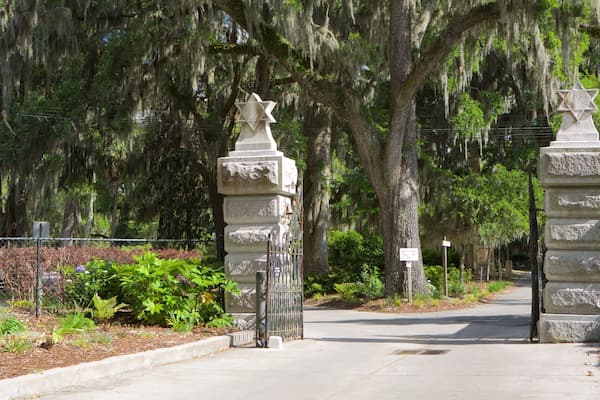
Bonaventure Cemetery is not what most people expect when they think of a cemetery. This is not a somber, depressing place but rather one of the most beautiful, peaceful, and artistically significant locations in Savannah—a place where Victorian funerary art reaches its highest expression, where ancient live oaks create cathedral-like corridors draped in Spanish moss, and where the riverside setting offers tranquil views that inspire contemplation and reflection.
Located on the banks of the Wilmington River about three miles east of downtown Savannah, Bonaventure spans 160 acres of meticulously maintained grounds featuring some of the most impressive Victorian monuments and sculpture in the American South. This is where Southern Gothic beauty becomes tangible, where art and nature intertwine, and where visitors experience a profound connection to Savannah's history, culture, and artistic heritage.
The History of Bonaventure: From Plantation to Public Cemetery
Bonaventure's history predates its role as a cemetery, beginning as a colonial plantation in the 18th century.
Colonial Origins (1760s-1800s)
The land was originally part of an 18th-century plantation owned by Colonel John Mullryne. The plantation, named "Bonaventure" (Italian for "good fortune"), featured elaborate gardens and a grand mansion. According to local legend, during a dinner party at the plantation house, a fire broke out. Rather than abandon the meal, the guests carried the dining table outside beneath the oak trees and continued their feast as the house burned—a story that perfectly captures the spirit of Southern Gothic romance that defines Bonaventure today.
Evergreen Cemetery (1846-1907)
In 1846, Commodore Josiah Tattnall purchased 70 acres of the former plantation and established Evergreen Cemetery, a private burial ground. The Victorian era's rural cemetery movement—which sought to create beautiful, park-like cemeteries on the outskirts of cities—influenced the design. Ancient live oak trees, already mature in the 1840s, were preserved, creating the iconic Spanish moss-draped corridors visitors experience today.
Public Cemetery (1907-Present)
In 1907, the City of Savannah purchased Evergreen Cemetery, expanded it to 160 acres, and renamed it Bonaventure Cemetery. Additional sections were developed, new monuments commissioned, and the cemetery became the final resting place for many of Savannah's most prominent families. Notable burials include poet Conrad Aiken, songwriter Johnny Mercer, and countless Savannahians whose monuments tell the story of the city's development.
Victorian Funerary Art: Where Monuments Become Masterpieces
What makes Bonaventure truly extraordinary is its collection of Victorian funerary monuments—elaborate sculptures and architectural works that represent some of the finest examples of 19th and early 20th-century cemetery art in America.
The Victorian Cemetery Movement
The Victorian era (1837-1901) saw profound changes in attitudes toward death and commemoration. Cemeteries transformed from simple burial grounds into "cities of the dead"—elaborate park-like spaces where families competed to create the most beautiful and meaningful monuments. This cultural shift resulted in stunning artistic achievements preserved at Bonaventure.
Types of Victorian Monuments at Bonaventure
- Classical Revival Sculpture: Greek and Roman-inspired figures, angels, and allegorical representations
- Elaborate Tombs: Mausoleums and family monuments featuring architectural detail and ornate design
- Wrought Iron Work: Intricate iron crosses, fences, and decorative elements showcasing metalworking craftsmanship
- Symbolic Imagery: Broken columns (life cut short), draped urns (mourning), angels (divine protection), flowers (resurrection)
- Portrait Sculpture: Realistic carved portraits immortalizing the deceased in stone
Notable Monuments
Among the thousands of monuments, several stand out for their artistic merit and historical significance:
- The Graff Family Plot: Elaborate Victorian sculpture featuring angels and classical motifs
- Little Gracie Watson: Beloved statue of a young girl (though the original was removed for preservation)
- Corinne Elliot Lawton's "Bird Girl" Monument: Made famous by the "Midnight in the Garden of Good and Evil" book cover (original now in Telfair Museum for preservation)
- Johnny Mercer's Bench: Simple yet meaningful memorial to the legendary songwriter
Natural Beauty: Ancient Oaks and Spanish Moss
Bonaventure's artistic significance extends beyond human-created monuments to the natural landscape itself—particularly the ancient live oak trees that define the cemetery's atmosphere.
The Live Oaks of Bonaventure
The live oak trees (Quercus virginiana) at Bonaventure are centuries old, with some predating the cemetery by hundreds of years. These massive trees feature sprawling branches that create natural arches and corridors, forming cathedral-like spaces that inspire reverence and contemplation. The trees' longevity—live oaks can live 300-500 years—adds temporal depth to the cemetery experience, connecting visitors to centuries of Savannah history.
Spanish Moss: The Signature of Southern Gothic
Spanish moss (Tillandsia usneoides) drapes from the oak branches in silvery-gray curtains, creating the ethereal, haunting atmosphere for which Bonaventure is famous. Despite its name, Spanish moss is neither Spanish nor moss—it's an epiphytic bromeliad native to the American South. The moss absorbs moisture and nutrients from the air, harming nothing while creating unparalleled visual beauty.
Seasonal Changes
Bonaventure's natural beauty changes with seasons:
- Spring (March-May): Azaleas bloom in vibrant colors; new growth creates lush greenery
- Summer (June-August): Dense foliage provides shade; morning visits recommended due to heat
- Fall (September-November): Cooler temperatures create comfortable walking conditions; golden afternoon light ideal for photography
- Winter (December-February): Bare branches reveal monument details; mist and fog create atmospheric conditions
The Wilmington River: Riverside Tranquility
Bonaventure's location on the Wilmington River adds another dimension to its beauty and contemplative atmosphere.
Riverside Walk
The eastern edge of the cemetery overlooks the Wilmington River, offering peaceful water views and access to a riverside walk. This area provides serenity that deepens the reflective experience of visiting Bonaventure. The sound of water, bird calls, and river breezes create natural soundscapes that enhance contemplation.
Photography Opportunities
The riverside sections offer some of Bonaventure's most photographed views—ancient oaks framing river vistas, Spanish moss silhouetted against water reflections, and monuments positioned with natural backdrops. Sunrise and sunset provide particularly beautiful light for photography.
Cultural Significance: Midnight in the Garden of Good and Evil
Bonaventure gained international fame through John Berendt's 1994 bestselling book "Midnight in the Garden of Good and Evil," which featured the cemetery prominently and used the iconic "Bird Girl" statue on its cover.
The Bird Girl Phenomenon
The Bird Girl statue—a bronze sculpture by Sylvia Shaw Judson depicting a young girl holding two birdbaths—became one of the most recognized cemetery monuments in the world after appearing on the book's cover. Due to vandalism concerns and preservation needs, the original statue was moved to the Telfair Museum, though visitors still seek out the original location within Bonaventure.
Literary Tourism
The book's success transformed Bonaventure into a literary pilgrimage site. Visitors from around the world come seeking the Southern Gothic atmosphere described in Berendt's narrative, discovering that the reality of Bonaventure exceeds even the romantic descriptions in the book.
Perfect Contemplative Pairing: Bonaventure Cemetery and New Oak Theatre
Bonaventure Cemetery and live theatre share fundamental artistic and emotional qualities that make them perfect complementary experiences—both invite contemplation, emotional engagement, and profound reflection on the human condition.
Why Theatre and Bonaventure Pair Beautifully
- Artistic Excellence: Both represent art at its highest level—theatre as performing art, Bonaventure as visual and sculptural art
- Emotional Depth: Theatre explores human emotions; cemetery monuments express grief, love, loss, and remembrance
- Narrative Storytelling: Both tell stories—theatre through performance, monuments through symbolism and inscription
- Contemplative Experience: Both invite reflection and deeper thinking about life, death, beauty, and meaning
- Southern Gothic Aesthetic: Tennessee Williams, Flannery O'Connor, and other Southern dramatists explore themes embodied at Bonaventure
Pre-Theatre Morning Visit Strategy
For an evening performance at New Oak Theatre, begin your cultural day with a morning visit to Bonaventure:
- 8:30 AM - 9:00 AM: Arrive at Bonaventure for peaceful morning exploration
- 9:00 AM - 11:30 AM: Walk the grounds, photograph monuments, reflect by the riverside
- 12:00 PM - 2:00 PM: Return to downtown Savannah for lunch at one of the recommended restaurants
- 2:00 PM - 5:00 PM: Explore historic Savannah, rest at hotel, or visit other attractions
- 6:00 PM - 8:00 PM: Pre-theatre dinner at a downtown Savannah restaurant
- 8:30 PM - 10:30 PM: Evening performance at New Oak Theatre
Post-Theatre Morning Visit (Next Day)
Alternatively, after an emotionally powerful evening of theatre, let those emotions deepen with a contemplative morning at Bonaventure:
- Previous Evening: Evening performance at New Oak Theatre (8:30 PM - 10:30 PM)
- Next Morning 8:30 AM: Drive to Bonaventure for peaceful morning reflection
- 9:00 AM - 11:30 AM: Walk the cemetery, process theatrical emotions through contemplation
Thematic Connections
Certain theatrical works pair particularly well thematically with Bonaventure:
- Tennessee Williams plays: "A Streetcar Named Desire," "The Glass Menagerie"—Southern Gothic themes
- Shakespeare's tragedies: "Hamlet," "King Lear"—mortality and meaning
- Greek drama: Classical themes of fate, death, and remembrance
- Southern Gothic works: Adaptations of Flannery O'Connor, Carson McCullers, etc.
Practical Information for Your Visit
Hours and Access
- Open Daily: 8:00 AM - 5:00 PM (gates close promptly at 5:00 PM—plan accordingly)
- Free Admission: No entrance fee required
- Free Parking: Ample parking at entrance on Bonaventure Road
- Self-Guided Tours: Walk at your own pace anytime during open hours
- Guided Tours: Several third-party companies offer guided tours ($25-$40 per person)
Getting There from Downtown Savannah
Bonaventure is located about 3.5 miles east of downtown Savannah:
- By Car: 15-minute drive from historic district; GPS: 330 Bonaventure Road, Savannah, GA 31404
- By Taxi/Rideshare: Uber or Lyft readily available from downtown ($12-$18 each way)
- No Public Transit: Not accessible via CAT bus; car or taxi required
What to Bring
- Water: No water fountains; bring bottled water, especially in warm weather
- Sun Protection: Hat, sunglasses, sunscreen (much of the cemetery has shade, but not all)
- Comfortable Walking Shoes: You'll walk 1-3 miles on paved roads, grass, and uneven terrain
- Camera: This is one of the most photogenic locations in Savannah
- Map or Tour App: Cemetery map available at entrance; smartphone apps provide self-guided tours
Cemetery Etiquette
Bonaventure is an active cemetery where funerals and burials still occur. Please observe these respectful guidelines:
- Speak quietly; maintain peaceful atmosphere
- Stay on paved roads and designated paths; do not walk on graves
- Do not touch or lean on monuments (oils from skin damage stone)
- If you encounter a funeral service, maintain distance and silence
- Do not leave offerings or mementos on graves that are not your family's
- Take only photographs; leave only footprints
- Dogs must be leashed; clean up after pets
Photography at Bonaventure: Capturing Beauty and Atmosphere
Bonaventure is one of the most photographed locations in Savannah. Understanding light, timing, and composition will help you capture its beauty.
Best Times for Photography
- Golden Hour Morning (7:30-9:00 AM): Soft, warm light filters through Spanish moss; peaceful atmosphere
- Golden Hour Afternoon (3:30-5:00 PM): Low sun creates dramatic shadows and silhouettes
- Overcast Days: Diffused light prevents harsh shadows on monuments; enhances atmospheric mood
- Early Morning Mist: Occasional fog creates ethereal Southern Gothic atmosphere
Photography Tips
- Use Spanish moss as natural framing for monument compositions
- Shoot from low angles to emphasize monument scale and oak tree grandeur
- Include environmental context—don't just photograph monuments in isolation
- Capture details: inscriptions, sculptural details, weathered stone textures
- Respect privacy—avoid photographing active funerals or mourners
Notable Burials: Stories Written in Stone
Bonaventure is the final resting place for many notable Savannahians whose monuments and lives tell the city's story.
Johnny Mercer (1909-1976)
The legendary songwriter and lyricist responsible for classics like "Moon River," "Days of Wine and Roses," and hundreds of other American standards is buried at Bonaventure. His simple bench memorial invites visitors to sit, reflect, and perhaps hum one of his timeless melodies.
Conrad Aiken (1889-1973)
The Pulitzer Prize-winning poet and Savannah native is buried with a simple bench monument facing the direction of his childhood home. Visitors often leave bottles for him, honoring his wish to have "a martini at sunset" overlooking the marsh.
Little Gracie Watson (1883-1889)
The famous sculpture of six-year-old Gracie Watson, daughter of the manager of the Pulaski House hotel, became one of Bonaventure's most visited monuments. The life-sized sculpture captured the grief of parents who lost their child to pneumonia.
Seasonal Guide: When to Visit
Spring (March-May)
- Weather: Mild temperatures (65-80°F), comfortable walking conditions
- Blooms: Azaleas in full bloom create vibrant color accents
- Crowds: Moderate to high (peak tourist season)
- Photography: Excellent light; blooming flowers add color
Summer (June-August)
- Weather: Hot and humid (85-95°F with high humidity)
- Advice: Visit early morning (8:00-10:00 AM) to avoid heat
- Crowds: Moderate (many tourists avoid midday heat)
- Photography: Morning light best; avoid harsh midday sun
Fall (September-November)
- Weather: Comfortable temperatures (60-75°F), lower humidity
- Foliage: Subtle color changes; Spanish moss particularly dramatic
- Crowds: Moderate (October busiest with Halloween interest)
- Photography: Excellent conditions; golden afternoon light superb
Winter (December-February)
- Weather: Mild winters (45-60°F), occasional cold snaps
- Atmosphere: Bare branches reveal monument details; occasional mist
- Crowds: Low (off-season; peaceful experience)
- Photography: Dramatic atmospheric conditions; stark beauty
Tips for First-Time Visitors
Plan Adequate Time
Don't rush Bonaventure. A meaningful visit requires 1.5-3 hours. Arrive early in your visit window to allow time for unhurried exploration.
Use a Map or Guide
The cemetery is large and easy to get disoriented. Grab a map at the entrance or download a self-guided tour app to help navigate and locate notable monuments.
Walk the Main Avenue First
Bonaventure Avenue—the main central road—features the most impressive monuments and classic Spanish moss-draped oaks. Walk this first to orient yourself and experience the cemetery's iconic atmosphere.
Explore Beyond the Main Path
While the main avenue is stunning, side paths and lesser-known sections offer peaceful solitude and equally beautiful monuments without crowds.
Visit the Riverside
Don't miss the eastern edge overlooking the Wilmington River. This area offers tranquil views and a different perspective on Bonaventure's natural beauty.
Respect the Space
Remember that Bonaventure is a sacred space for many families. Maintain quiet, respectful behavior throughout your visit.
Bonaventure Cemetery: Where Beauty Transcends Mortality
Bonaventure Cemetery succeeds in transforming death into something beautiful—not denying mortality but celebrating life through art, nature, and remembrance. The Victorian monuments express grief, love, and hope; the ancient oaks testify to centuries of continuity; the Spanish moss creates Southern Gothic beauty; and the riverside setting offers peace and contemplation.
For visitors seeking meaningful cultural experiences in Savannah, Bonaventure offers something profound that complements theatrical arts perfectly: both invite us to contemplate the human condition, both move us emotionally, both connect us to something larger than ourselves. Whether you visit before or after a performance at New Oak Theatre, the experience of Bonaventure deepens your appreciation for art, beauty, and the power of creative expression to make sense of life's most profound questions.
Allow yourself time to wander, photograph, reflect, and simply be present in one of America's most beautiful historic cemeteries. You'll leave with photographs, certainly—but also with something deeper: a sense of connection to Savannah's history, an appreciation for Victorian artistry, and perhaps a more contemplative perspective on life, death, and the beauty that transcends both.
Visitor Information
Parking
Free on-site parking at cemetery entrance on Bonaventure Road. Ample parking spaces available. Parking lot accessible during cemetery hours (8 AM - 5 PM).
Accessibility
- Wheelchair accessible
- Accessible parking available
Main paved roads wheelchair accessible. Some areas with grass and uneven terrain may be difficult. Free parking at entrance. No public transit directly to cemetery; car or taxi recommended from downtown Savannah (15-minute drive).
Related Attractions
- Wilmington River
- Fort Pulaski National Monument
- Tybee Island
- New Oak Theatre
- Historic Savannah